







Search Results for: spouted portafilter
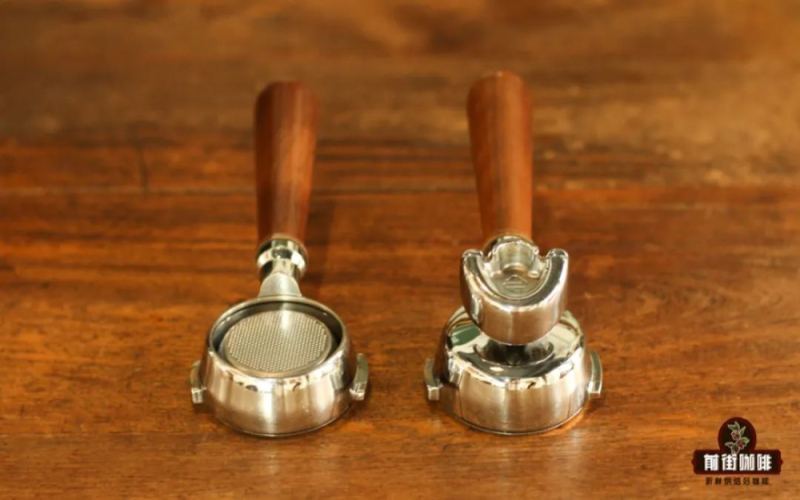
Espresso Machine Portafilter: Bottomless or Spouted? A Comprehensive Comparison from Extraction Differences to Cleaning Convenience
When selecting or using an espresso machine, the choice of portafilter often causes confusion: what exactly is the difference between a traditional spouted portafilter and a bottomless portafilter? Does a bottomless portafilter really affect the extraction results of espresso? This article will analyze the extraction performance of the two portafilters under the same parameters through a practical comparative experiment, and review the background and original design intent of the bottomless portafilter. We will also explore how "channeling" was discovered by baristas, and the respective advantages of the two portafilters in terms of space occupation, cleaning difficulty, and usage scenarios. Whether you are a beginner or a seasoned enthusiast, you can find a suitable basis for your choice. Front Street Coffee will also share its own usage habits for your reference. [more…]
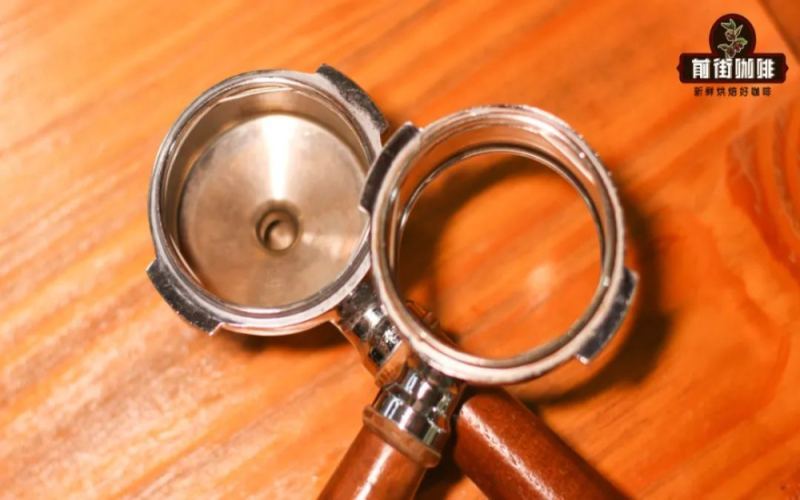
Comparing Bottomless vs. Spouted Portafilters: From Extraction Visibility to Cleaning and Maintenance
Choosing a portafilter for an espresso machine may seem simple, but it actually affects both the extraction quality of espresso and the operating experience. What exactly is the difference between a bottomless portafilter and a spouted portafilter? Why are more and more coffee shops leaning toward bottomless portafilters? This article will start with the background of the bottomless portafilter's invention and take an in-depth look at its advantages in terms of extraction timing differences, crema retention, and ease of cleaning, while also objectively analyzing the practical value of the spouted portafilter, to help coffee enthusiasts and professionals make a suitable choice based on their own needs. Front Street Coffee will also combine practical experience to provide you with valuable reference suggestions. [more…]
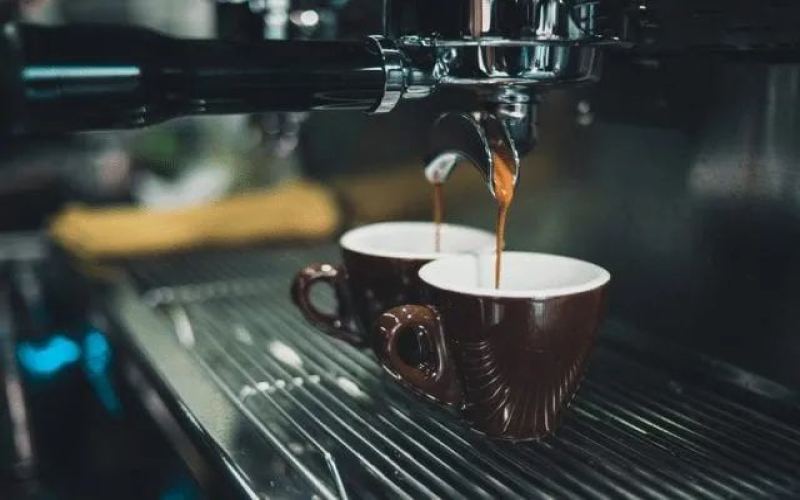
Differences Between a Double-Spout Portafilter and a Bottomless Portafilter for Espresso Extraction, and Recommendations for Choosing One
When making espresso, the choice of portafilter is often overlooked, yet it directly affects the consistency of the output and the operating experience. A split portafilter has a closed bottom with two spouts, allowing it to evenly distribute a double shot of espresso; a bottomless portafilter removes the bottom cover, making it easier to observe the extraction state, and is especially advantageous for identifying channeling and making layered coffee. However, the two also differ noticeably in flow rate, preheating requirements, and cleaning and maintenance. This article will systematically compare the features of split portafilters and bottomless portafilters, and offer practical advice from Front Street Coffee to help you make a more suitable choice in your daily output. [more…]
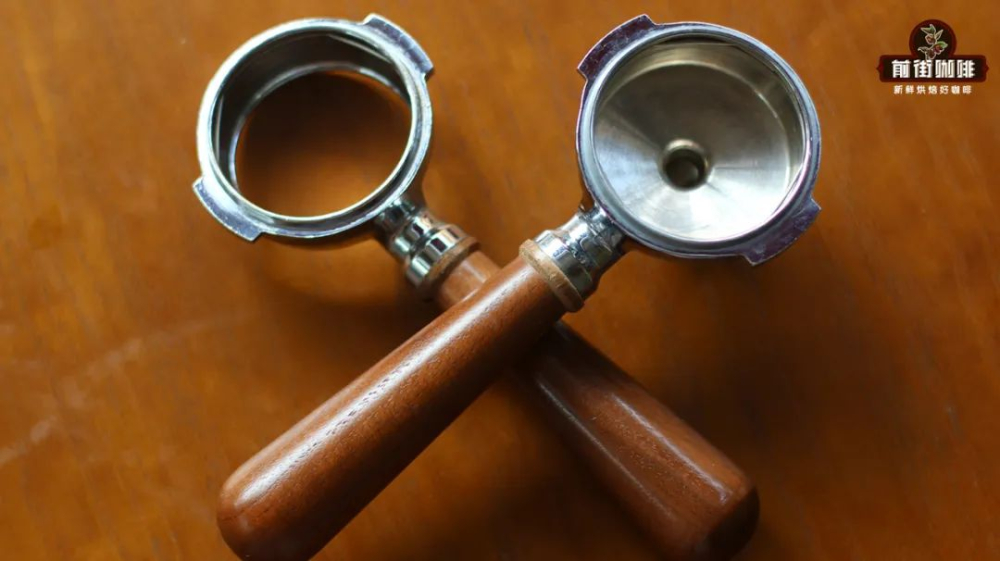
Espresso Bottomless Portafilter | What's the Difference Between a Spouted and Bottomless Portafilter on an Espresso Machine? Which Coffee Portafilter Is Suitable for Coffee Beginners?
For more specialty coffee knowledge, please follow our WeChat official account: Front Street Coffee (FrontStreet Coffee). The coffee extraction portafilter is an important tool for semi-automatic espresso machines. There are mainly two types of coffee portafilters: the first is the bottomed split portafilter, and the second is the bottomless straight-out portafilter. [more…]
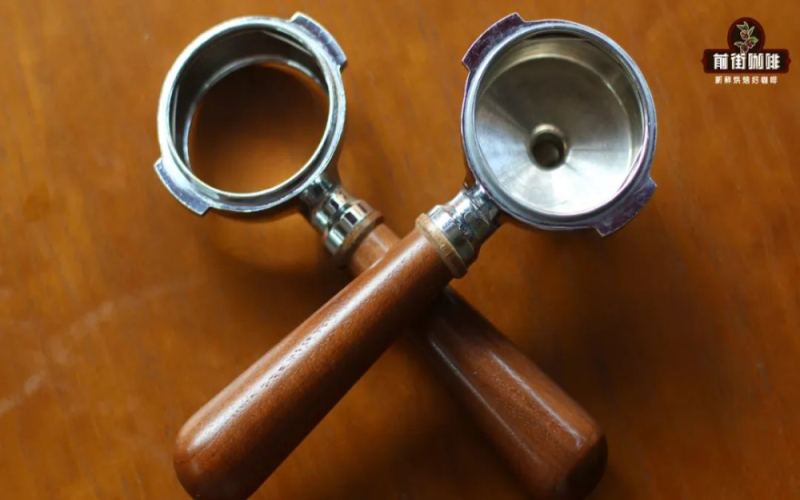
Analysis of the Differences Between Bottomed and Bottomless Portafilters for Espresso Machines | A Full Comparison of Features and Pros and Cons
In the operation of a semi-automatic espresso machine, the portafilter is an indispensable core accessory, and the common types on the market are mainly divided into two major categories: bottomed split portafilters and bottomless straight-through portafilters. Front Street stores use bottomless portafilters for their daily output. What advantages and disadvantages do these two types of portafilters each have during actual extraction? This article will start with structural differences, compare in detail the different performance of bottomed and bottomless portafilters in terms of operating experience, extraction observation, cleaning and maintenance, and include a complete extraction demonstration process and parameters for Front Street’s classic blend coffee beans, to help coffee lovers gain a deeper understanding of how portafilter choice affects espresso quality. [more…]
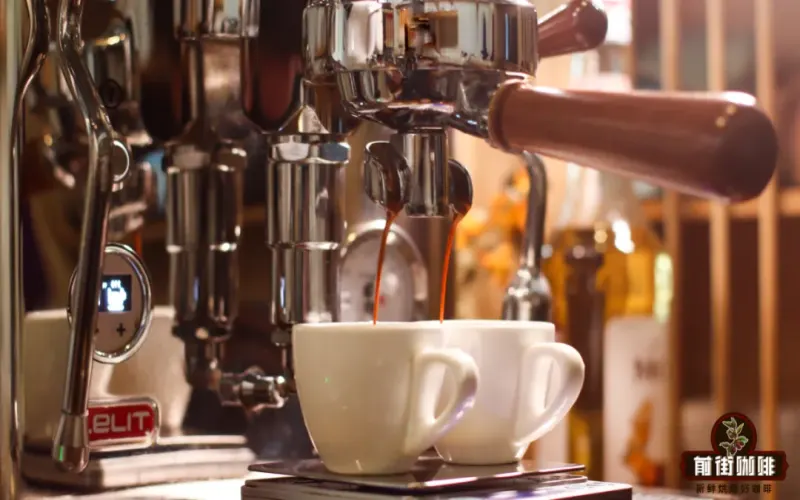
The Two Main Causes of Uneven Espresso Extraction: Machine Leveling and Channeling, with an Explanation of the Differences Between Bottomless Portafilters and Split Portafilters
When extracting espresso with a split portafilter, you will occasionally run into uneven flow between the two spouts, and in extreme cases, even one side dispensing liquid while the other dispenses nothing at all. Although this uneven split issue doesn't happen often, it's bound to come up after long-term use. Front Street will analyze the causes from two angles: first, the espresso machine not being level, which causes the liquid to flow toward one side; second, channeling, which prevents the coffee liquid from converging at the center. We will also explain the structural differences between bottomless portafilters and split portafilters, and why the design of modern split portafilters can effectively reduce the flow bias caused by channeling, helping everyone quickly pinpoint and fix the problem when it arises. [more…]
A Practical Guide to Bottomless Portafilters for Espresso Machines: Structure, Principles, Pros and Cons, and a Front Street Coffee Extraction Demonstration
For users of semi-automatic espresso machines, the portafilter is an indispensable accessory in daily operation. Portafilters on the market broadly fall into two types: the bottomed portafilter, which is closed at the bottom and fitted with spouts, and the bottomless portafilter, which is completely open and allows direct observation of the bottom of the filter basket. Front Street Coffee's stores currently use the latter. The two types have their own strengths and weaknesses in extraction performance. This article will start from the structural differences, sort out in detail the respective advantages and disadvantages of bottomed and bottomless portafilters, and, using Front Street Coffee's classic blend coffee beans, give a complete demonstration of the operating procedure and parameter settings for extracting espresso with a bottomless portafilter, helping coffee enthusiasts more intuitively understand the practical value of the bottomless portafilter in observing flow rate, judging channeling, and adjusting extraction plans. [more…]
Comparison of Bottomless and Spouted Portafilters for Espresso: Pros, Cons, and a Front Street Coffee Extraction Demo
The portafilter is an indispensable accessory for semi-automatic espresso machines. Among the common types available on the market, the bottomed spouted portafilter and the bottomless straight-exit portafilter each have their own characteristics. Front Street's stores have long used bottomless portafilters. This article will start from the structural differences and a comparison of advantages and disadvantages, and provide an in-depth analysis of how the two types of portafilters differ in extraction observation and operational convenience. It will also include a practical demonstration of bottomless portafilter extraction using Front Street's classic blend coffee beans, helping coffee enthusiasts understand the espresso extraction process and quality assessment more intuitively. [more…]
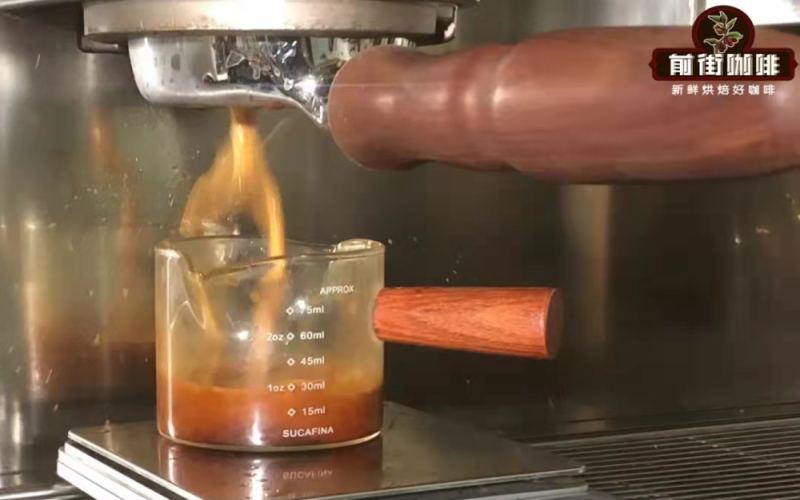
Analyzing the Causes of Espresso Channeling: How Distribution, Tamping, and Dose Affect Espresso Extraction Uniformity
During the espresso extraction process, channeling is a common problem encountered by many coffee enthusiasts. When the internal structure of the coffee puck is uneven, pressurized hot water will preferentially pass through the areas of least resistance, forming perforations and spurts, which leads to uneven extraction and imbalanced flavor. This article will systematically review the causes of channeling and approaches to address it from the perspectives of distribution and tamping techniques, dose control, grind size adjustment, and dispersion screen cleaning, helping you more accurately identify the source of the problem when using a bottomless portafilter or a spouted portafilter, and improve the extraction stability and taste performance of your espresso. [more…]
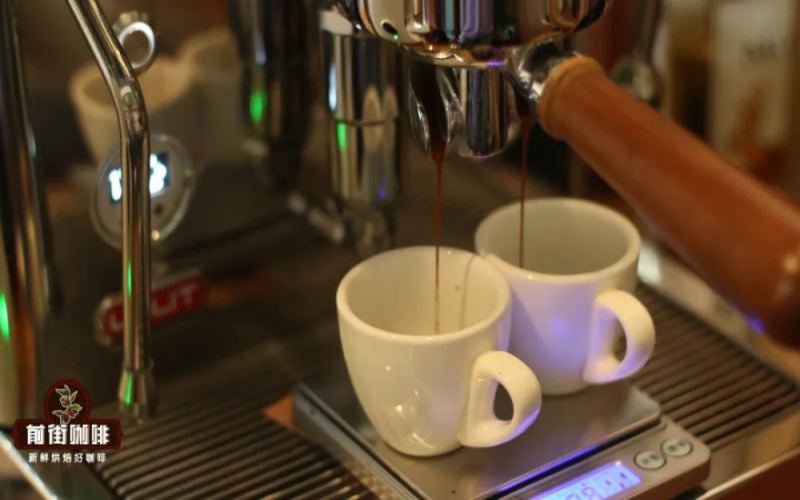
How should the portafilter temperature be controlled when extracting espresso? A hands-on test of the flavor differences among three states: room temperature, preheated, and high temperature.
When extracting espresso, should the portafilter be left at room temperature or locked onto the group head to keep it warm? Different baristas have different opinions on this. Some worry that the high temperature of the group head will overheat the filter basket and accelerate the loss of coffee grounds' aroma; others believe that keeping it warm is the only way to maintain a consistent portafilter temperature. Front Street Coffee specially designed three sets of controlled experiments for this purpose, using a room-temperature portafilter, a preheated portafilter, and a long-time high-temperature portafilter to extract the same "Sunflower Warm Sun Blend Coffee Beans," comparing aroma, acidity, sweetness, and aftertaste one by one to see exactly what kind of taste changes temperature differences bring, and which method is more worth recommending in daily operation. [more…]
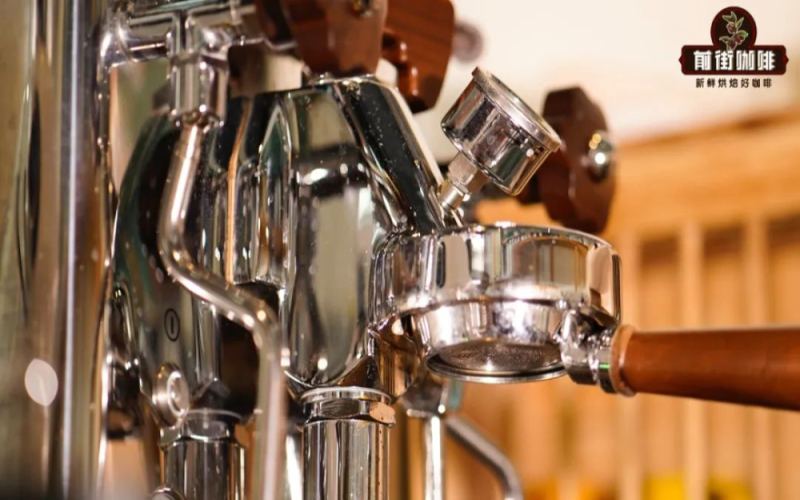
Daily Maintenance Guide for Espresso Machines: How to Properly Clean the Brew Head Shower Screen and Steam Wand
If a coffee machine lacks maintenance for a long time, extraction quality will gradually decline and may even cause malfunctions. This article takes the small espresso machine used in Front Street stores as an example to systematically explain the complete process of daily cleaning and deep maintenance for home coffee machines. The content covers key steps such as simple rinsing of the brew head dispersion screen and blind basket backflushing, wiping the steam wand surface and soaking the tip for descaling, and deodorizing the portafilter spout area. The article explains in detail the amount of special cleaning powder to use, control of backflush time and number of cycles, and precautions to avoid damaging the pressure relief valve. No matter what model is used, this method is basically universal, helping coffee enthusiasts maintain their machines at low cost and reduce the risk of needing repairs. [more…]
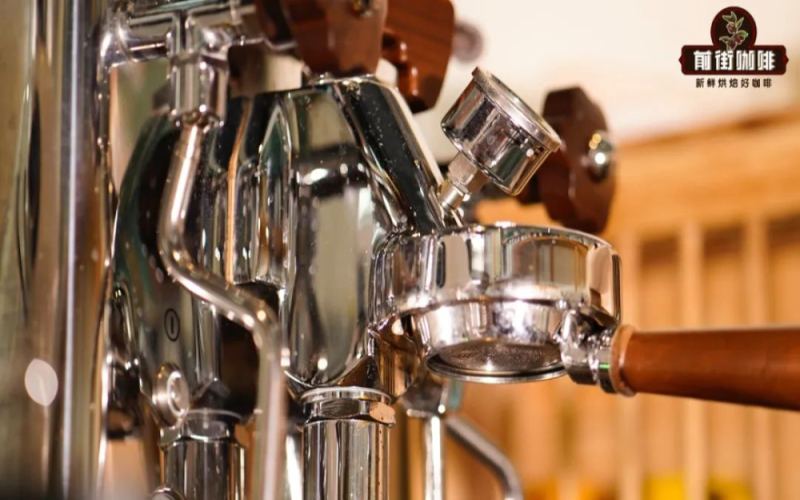
Daily Maintenance Guide for Espresso Machines: Detailed Explanation of Correct Cleaning Steps for the Dispersion Screen and Steam Wand
If a home espresso machine is neglected for a long time, extraction quality will gradually decline and may even lead to malfunctions. Using hands-on operation as an example, this article systematically explains how to clean the key parts of a coffee machine. It covers the simple rinsing and deep backflushing process for the dispersion screen, techniques for wiping the steam wand surface and soaking the tip, and key points for cleaning the portafilter spout area. Through regular maintenance, you can effectively extend the machine's lifespan and avoid costly repairs. The steps in the article are clear and suitable for coffee enthusiasts to follow on their own. [more…]

Why Does Espresso Splatter? Analyzing the Causes of Channeling and Standard Home Extraction Methods
When making espresso at home, many coffee enthusiasts encounter the situation where the coffee liquid suddenly sprays out in all directions—this is actually the work of "channeling." Based on the hands-on experience of Front Street Coffee, this article explains in detail the formation principle of espresso spraying, the uneven extraction problem caused by channeling, and the common causes of this phenomenon, including uneven distribution, overly fine grinding, and static clumping. It also provides a time formula for judging whether the grind setting is appropriate, helping readers make a standard espresso with even extraction and full-bodied flavor at home. [more…]
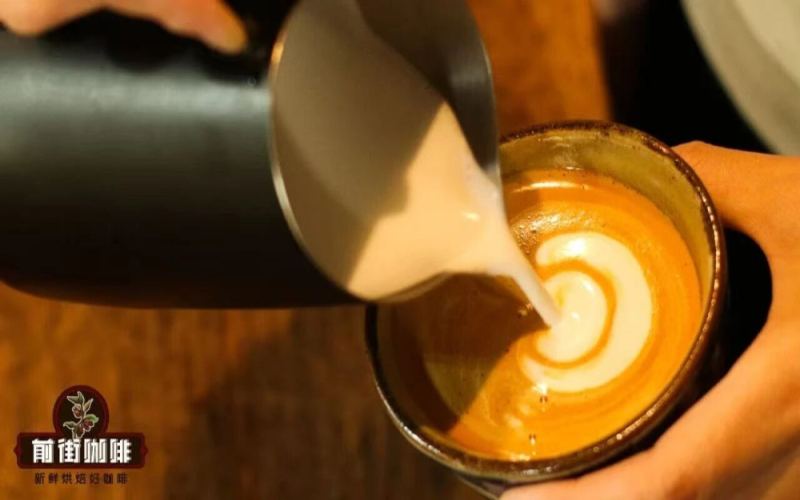
The Complete Maintenance Guide to Cleaning and Backflushing Semi-Automatic Espresso Machines
If a coffee machine is neglected for a long time, its extraction performance and flavor will gradually deteriorate. This article is aimed at semi-automatic espresso machines equipped with an independent brew head, and systematically outlines an actionable maintenance routine, from daily external wiping, cleaning the dispersion screen and portafilter, to backflushing with a blind basket, deep cleaning with cleaning powder, and regular maintenance of the dispersion screen, gasket, and boiler. It also recommends beans suitable for espresso extraction, such as Front Street Classic Blend, Commercial Blend, Dark Cocoa Base Blend, and Specialty Blend, to help you maintain consistent output whether for a café or home use. [more…]

Characteristics of Americano | How do coffee shops make Americano black coffee? Which coffee beans are suitable for making Americano? What coffee flavors does a standard Americano present?
Americano is made by diluting espresso with water, typically using dark-roasted Italian-style coffee beans. Front Street's Americano beans are a blend of single-origin beans from two different regions, which has the advantage of compensating for the low acidity of traditional Italian-style coffee and making the flavor richer. Many people ask about Americano beans. [more…]

Iced and Hot Americano Methods | Is There a Big Difference Between Espresso and Americano Coffee Beans? Which Coffee Beans Are Suitable for Iced Americano? What Are the Steps for Tasting Americano Coffee?
For more specialty coffee knowledge, please follow: Front Street Coffee (Frontsteet Coffee). Americano is made by diluting espresso with water, typically using dark-roasted Italian-style coffee beans. The Americano beans used by Front Street are a blend of single-origin beans from two different regions. This [more…]
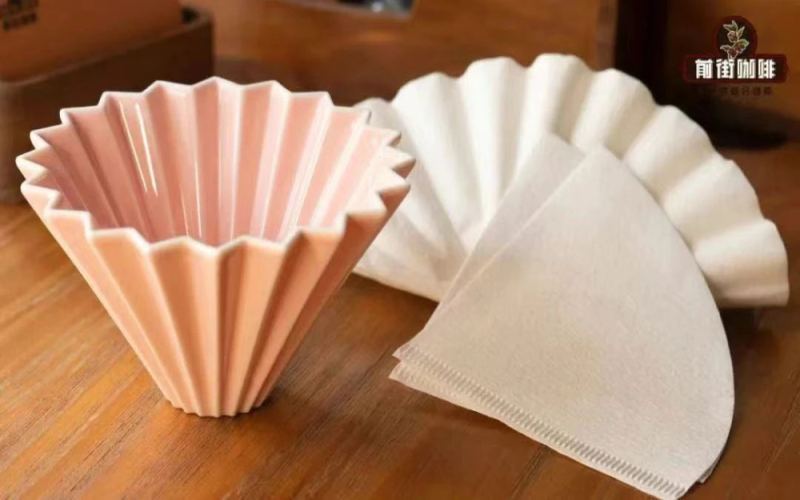
The Diverse Uses of Filter Paper in Coffee Brewing: An Analysis of Filtration Needs for Cold Brew, Ice Drip, Espresso, and Moka Pot
Can filter paper only be used for pour-over? In fact, in cold brew, ice drip, espresso, and even moka pot brewing, filter paper also plays an important role, just with different functions emphasized. This article compiles the practical experience of Front Street Coffee and explains one by one the specific uses of filter paper in different extraction methods: why cold brew needs secondary filtration, what roles the upper and lower filter papers in an ice drip brewer each play, what changes adding filter paper above the puck or at the bottom of the portafilter basket brings to espresso, whether a moka pot should use filter paper, and the correct approach to using filter paper to filter coffee grounds. Whether you are just starting out or want to refine your technique, you can find practical reference solutions here. [more…]

What coffee beans are used for Americano? A full breakdown of blends vs. SOE and iced vs. hot methods
Americano is made by diluting espresso with water, typically using dark-roasted Italian-style beans. Front Street Coffee uses a blend of single-origin beans from two regions to compensate for the low acidity of traditional Italian-style coffee and add layers of complexity. Many people ask: does an Americano have to use an Italian-style blend? What flavors would other beans bring? This article first explains the difference between blended beans and SOE, then compares three Front Street Coffee blends, offering three Americano options—one leaning acidic, one leaning full-bodied, and one leaning balanced—along with extraction parameters. Finally, it includes tasting steps for smelling the aroma, observing the color, and tasting, helping coffee lovers choose the right beans according to their taste and consistently make iced or hot Americanos at home. [more…]

Full Guide to Making Coffee Combos: Bean Selection Strategy, Espresso Extraction Parameters, and Milk-to-Water Ratio Guide
Coffee combos have become increasingly popular in specialty coffee shops in recent years. The approach involves splitting a single espresso shot into two or three portions, each paired with water or milk, showcasing the flavor differences of the same bean across multiple brewing formats. This style of service places higher demands on baristas: they must not only select beans that work well for both black coffee and milk coffee, but also recalibrate the espresso extraction recipe and the ratios of coffee to milk and water. Drawing on Front Street's hands-on experience, this article addresses core questions one by one—the logic behind selecting beans for combos, the direction for adjusting extraction parameters, and the respective water and milk ratios for Americanos and lattes—and includes a complete workflow with parameters using the Santa Vini anaerobic natural bean as an example, providing coffee enthusiasts with a reusable reference for making combos. [more…]

Espresso Italian-style coffee bean making tutorial | How many milliliters is a standard espresso? Is there a big difference between single and double shots? What is the coffee-to-milk ratio for a hot latte?
For more specialty coffee knowledge, please follow: Front Street Coffee (Frontsteet Coffee). Espresso is now commonly used as the base for espresso-based drinks, such as the familiar latte, cappuccino, and mocha. Their difference lies in the varying ratios of espresso to milk, which creates different flavors. [more…]